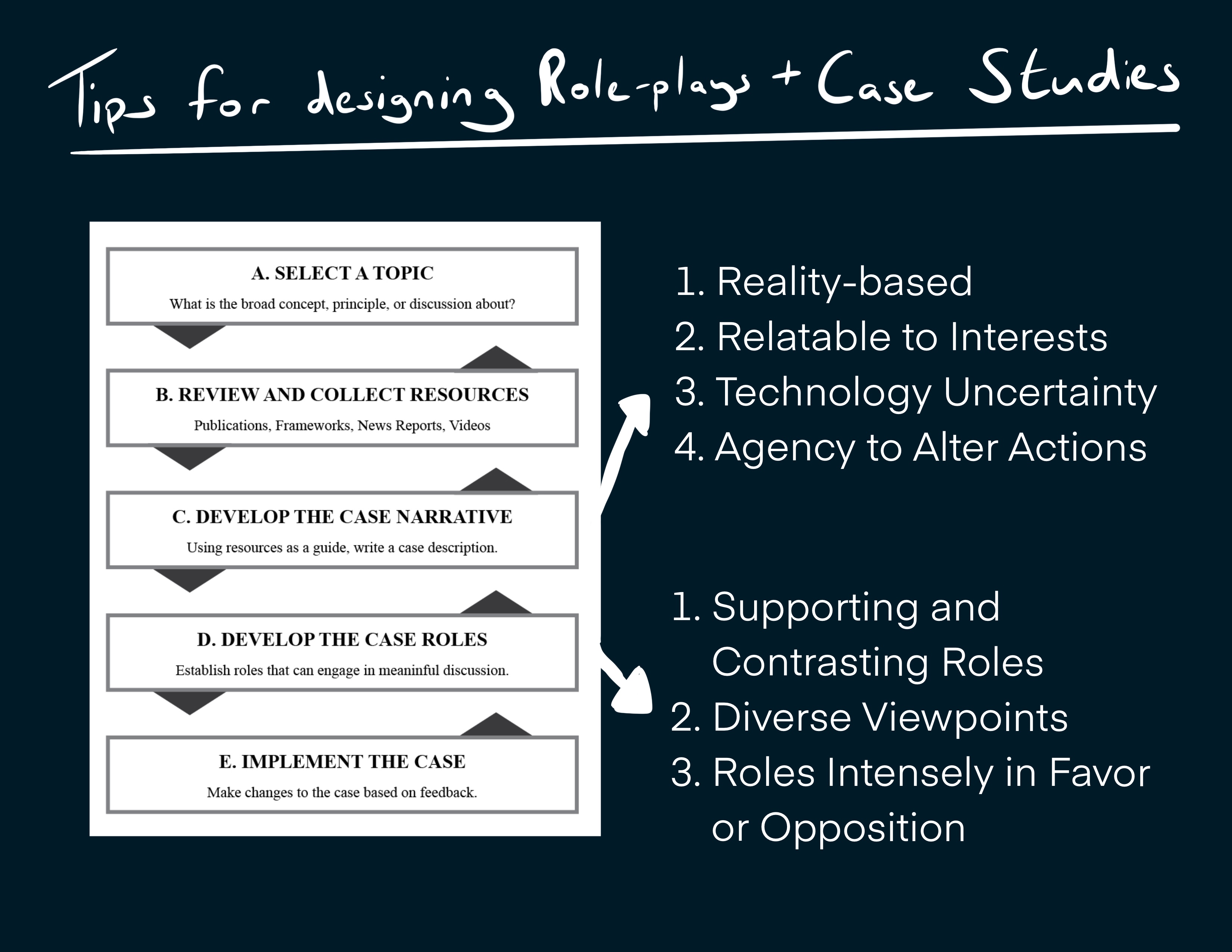
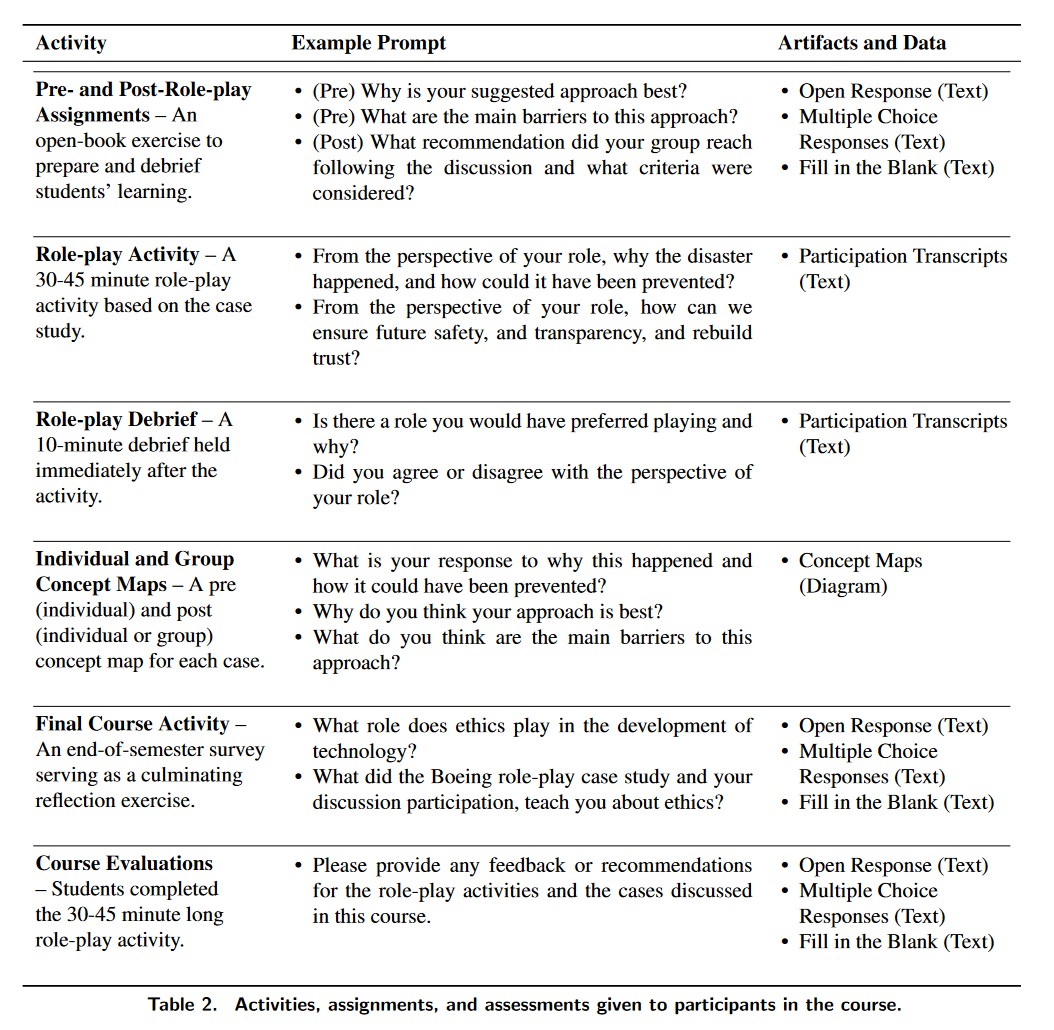
The Mason Tech Ethics project addresses one way students can be prepared to face the challenge of working with emerging technologies and techniques - algorithms, AI, machine learning, and large language models, to name a few. We use role-plays (RPs) in combination with case studies (CS) to situate students in scenarios they are likely to face outside the classroom.
Should all data be collected even if it currently doesn't have a use? Should an algorithm that uses social media indicators be used to predict credit risk? How can solidarity and respect be embedded into the implementation of machines in a previously human-intensive industry? These are some examples of the ethical dilemmas students grapple with through the cases, and are tasked with deliberating from the perspective of a role on how to move forward.
Responding to the Boeing Max 737 CrisisAs a member of the Aviation Transportation Investigative Committee (ATIC), participants are tasked with discussing how systematic (technical and social) issues in aviation can be mitigated. · Building Trust, Responsibility, Engineering, Disaster · Case available online
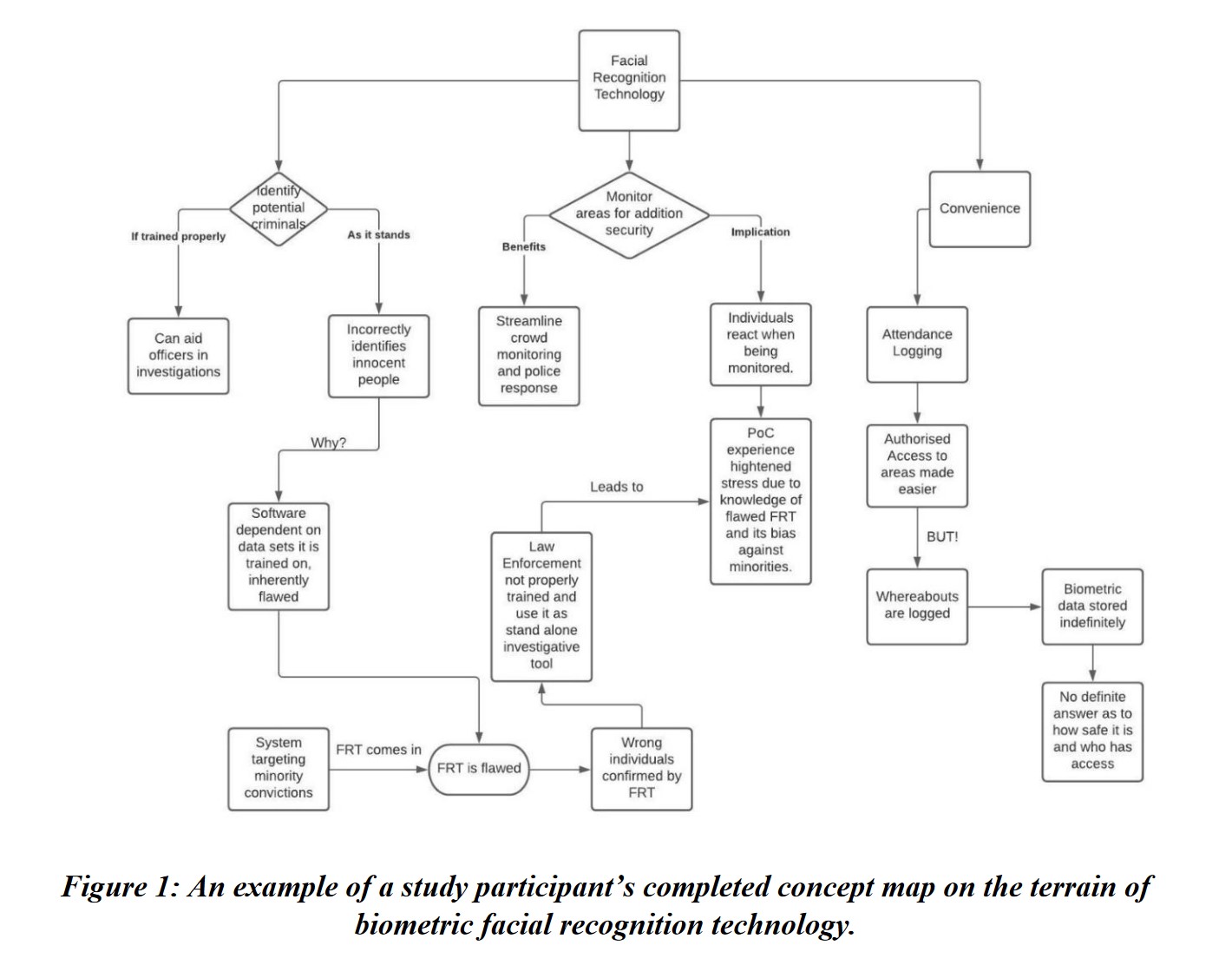
Facial Recognition Technology (FRT) on a College CampusIn response to the global pandemic, Andrew Hamilton University administrators have established a task force to discuss if facial recognition technology will ensure students' safe return on campus. · Innovative Practice, Surveillance, Emergency Response, Privacy · Case available online
Algorithmic Lending Risk DecisionsA loan manager wants to explore algorithmic decision-making for credit and loan decisions and whether data on demographic and socio-economic profiles should be included. · Risk, Predictive Models · Case available online
Building Trust after the Volkswagen (VW) Emissions ScandalA rental company's fleet manager is interested in VW vehicles. They want to know if the company can be trusted and what responsibility organizations have to correct the problems they cause. · Trust · Available Soon
E-scooters on CampusA student reporter is interested in cross-community dialogue on the responsibility of e-scooters from the institution, companies providing the services, and users on campus. · Sustainability, Responsibility · Available Soon
Conversations and Community in Agriculture - Ethical Implementation of MachinesA local reporter is interested in hearing from community members of an agriculture-dependent region on the impact and implications of AI technology on people, regulations, and livelihoods. · Innovation, Solidarity · Available Soon
Community Food SecurityA small community is considering a technology-driven food co-op - that uses data to predict the needs of people, reducing cost and eliminating waste - as their only local grocery store is closing. · Food Security, Community Needs, Software Development · Available Soon
Bhopal Gas Disaster40 years after the disaster, a group of experts are brought together to discuss the long-standing impact on the local communities surrounding the area. · Engineering, Disaster · Available Soon
Interested in running similar activities in your courses? Below are some highlighted resources from this project. For all the publications and proceedings, see the Publications and Proceedings at the bottom of the page.
[16]Using Fictional Role-Plays for Engineering and Computing Ethics InstructionHingle, A. & Johri, A. (2024) · Poster, GMU College of Engineering and Computing Innovation Week 2024 Graduate Student Poster Competition, Fairfax, VA · Second-Place Award, Graduate Category
[15]Technology Students' Recognition of Algorithmic Data Bias through Role-Play Case StudiesHingle, A. & Johri, A. (2024) · Proceedings of the 2024 Collaborative Network for Engineering & Computing Diversity (CoNECD), Arlington, VA
[6]Improving Ethical Thinking Among Future Technologists Through Role-Play Case StudiesHingle, A., Johri, A., Rangwala, H., & Monea, A. (2022) · 2022 IUSE Summit (Organized by AAAS and NSF), Washington, DC
[4]Role-playing hypothetical stakeholder scenariosMartin, D.A., Johri, A., Hingle, A. & Lennerfors, T. (2021) · Proceedings of 49th SEFI Annual Conference 2021, European Society for Engineering Education (SEFI)
[3]Using Role-Play Case Studies to Teach Engineering for Social JusticeHingle, A., & Johri, A. (2021) · Proceedings of 4S Annual Meeting: Good Relations Practices and Methods in Unequal and Uncertain Worlds, 2021
[2]Using Role Play Scenarios to Teach Ethical ThinkingHingle, A., & Johri, A. (2021) · Proceedings of 2021 Innovations in Teaching & Learning Conference, George Mason University